The Cultural Heritage of Phetchaburi Artisans
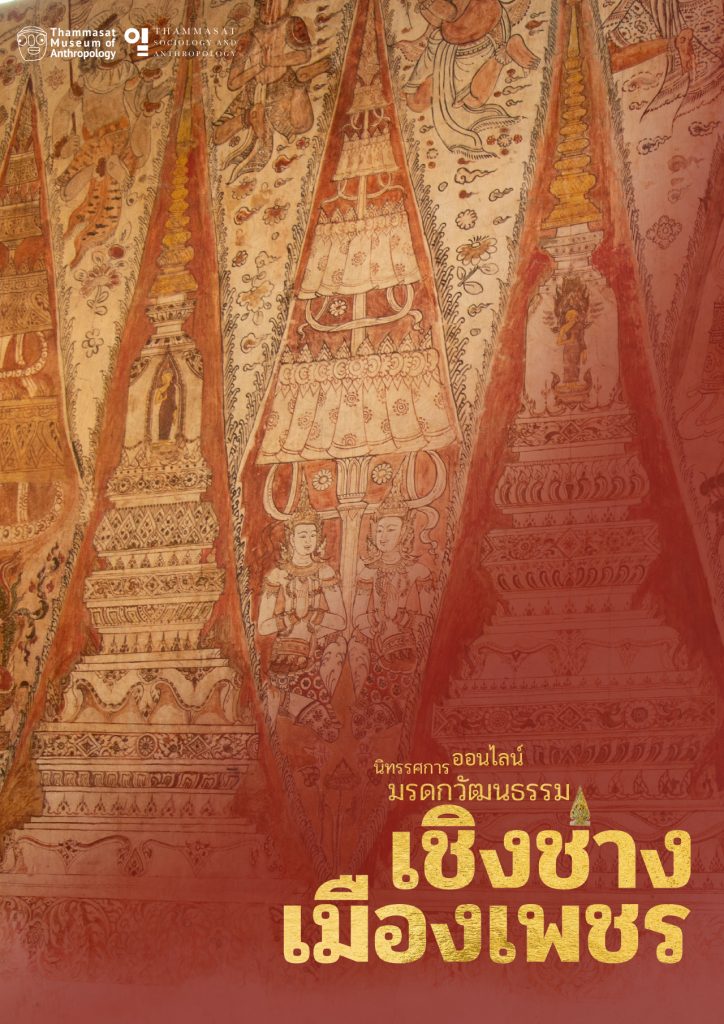
Phetchaburi: The City of Artisans This was an era where the local economy expanded under the influence following the Bowring Treaty. Hence, we saw a shift in patronage for Phetchaburi’s artisans from the royal court and provincial governors to local merchants and wealthy commoners. A large number of temples were renovated and newly constructed. The […]
Khun Noi: Le Petit Prince in Sukhothai Dialect – Lai Sue Tai Script

Light, Object, and Seeing
Fundamentally, humans perceive and understand the world through their eyes. “Seeing comes before words. The child looks and recognizes before it can speak.” John Berger. Way of seeing, 1973 Likewise, anthropologists and sociologists use their “eyes” as the central point for perceiving the worlds of others (ocularcentrism). The act of “being there,” along with the […]
30th Anniversary of the Thammasat Museum of Anthropology
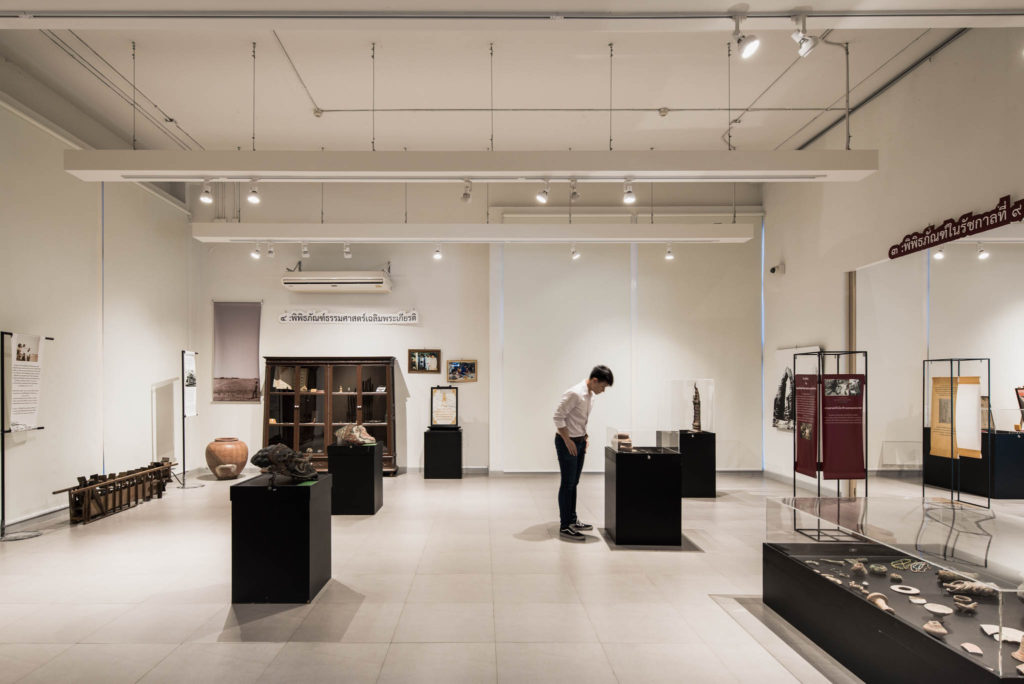
Etymologically, the word “pi-phit-tha-phan” (พิพิธภัณฑ์) or museum in Thai language means “a place for collecting and displaying various objects.” It is a combination of two words: “pi-phit” (พิพิธ), meaning “various,” and “phan” (ภัณฑ์), meaning “objects, utensils, or things.” The purpose of a museum is to be useful for education and offer enjoyment. […]
Ban Chiang: The Dawn of Thai Archaeology
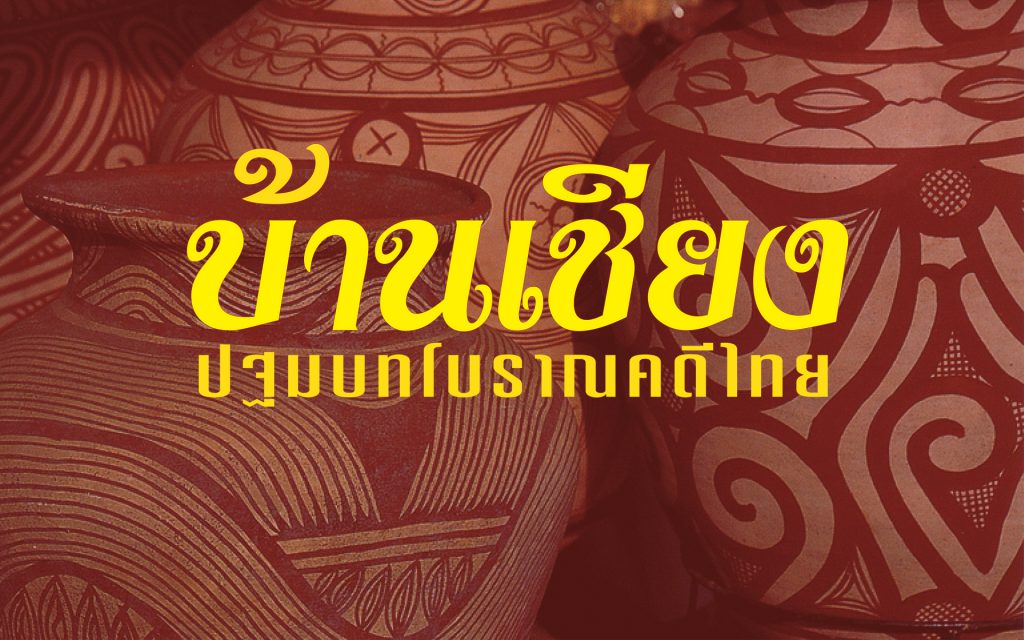
Ban Chiang: The Dawn of Thai Archaeology Ban Chiang is not just a mere archaeological site, but a representation of Thai archaeology itself. It has played a crucial role in creating new knowledge and developing research methodologies. The material evidence from the excavations has been systematically studied and analyzed until the present time, particularly by […]
Human, Rice, and Water Buffalo in Southeast Asian Culture
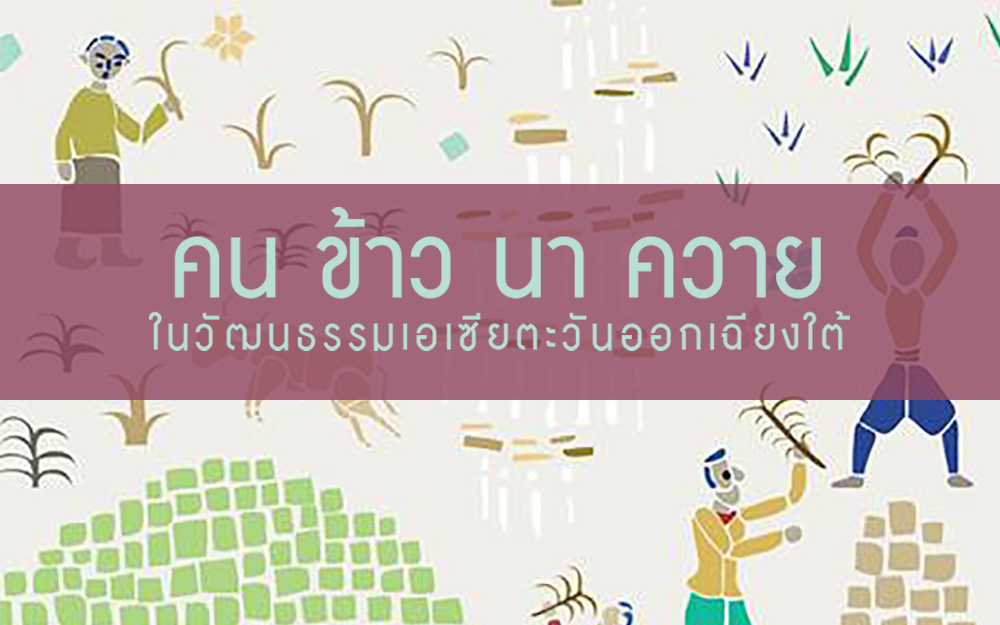
Human, Rice, and Water Buffalo in Southeast Asian Culture When did humans first learn to cultivate rice? Many academic fields use “rice” as an object of study for human society because the evolution of rice cultivation reflects the relationship between humans and their environment, as well as the relationships among humans themselves during the transition […]
History of Rangsit Field: From Schomburgk’s Deer, Rice Fields, Female Factory Workers to University Students and Monitor Lizards
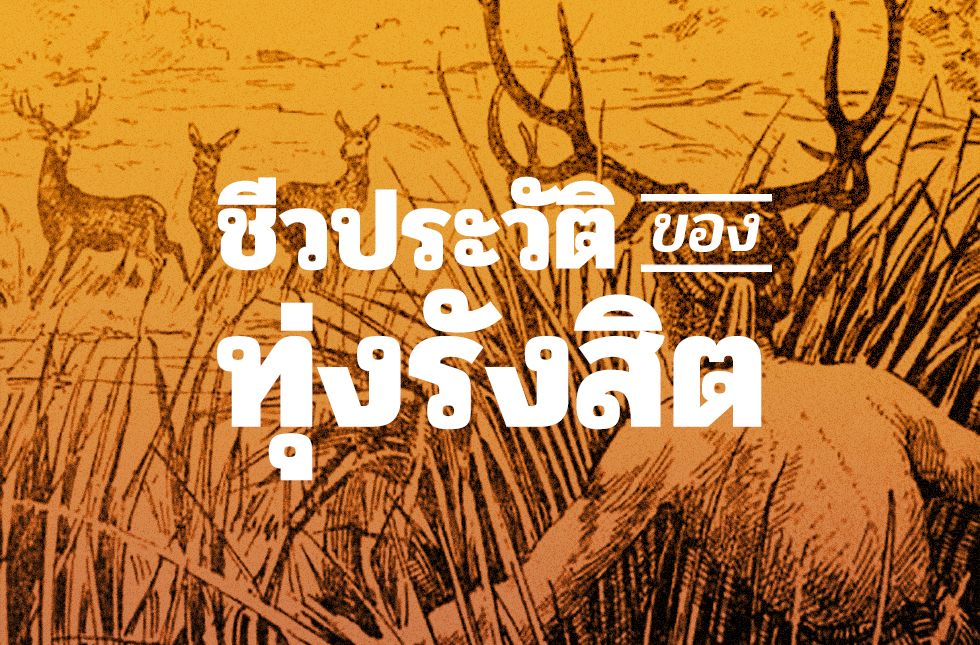
History of Rangsit Field: From Schomburgk’s Deer, Rice Fields, Female Factory Workers to University Students and Monitor Lizards While Thammasat University, which proclaims itself as a university for the people and a university where there is freedom at every square inch, is about to turn 80 years old in 2014, the “Thung […]
Lacquerware: The Art of Local Wisdom
“Lacquerware” (Khreung Khuen), a form of Lanna craftsmanship, was influenced by the Tai Khuen people. It indicates the wisdom of turning local materials into useful items that are refined, beautiful and valuable. Lacquerware is a widespread craft in Southeast Asia. In the past, it was used for household items, ceremonial objects, worship figures, and artworks. […]